Understanding the Key Differences Between a Tree Lopper and an Arborist
Tree Lopper vs Arborist: What Is the Difference?
When it comes to tree care, it is important to know who to call. Many people use the terms tree lopper and arborist interchangeably, but they are not exactly the same.
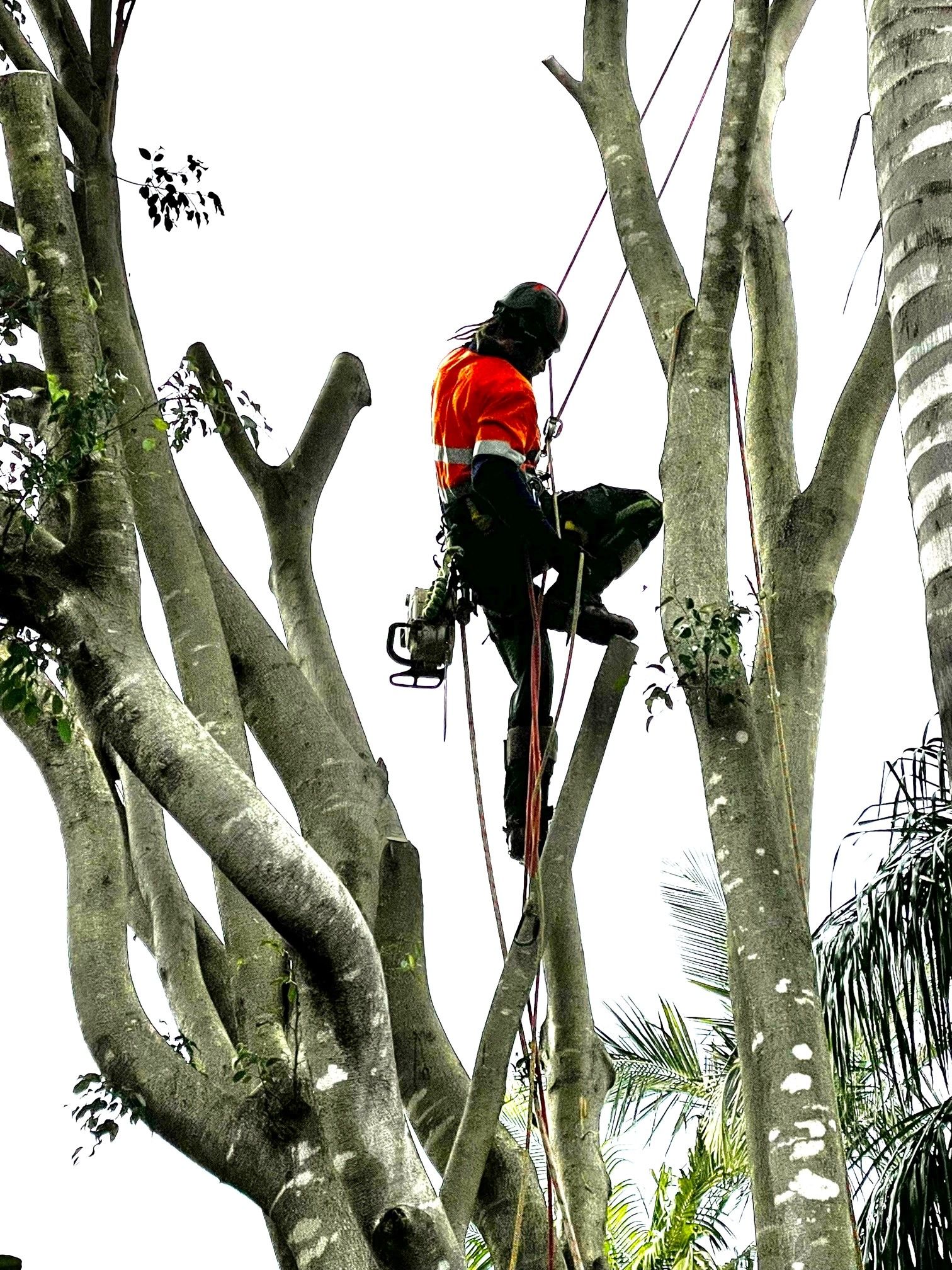
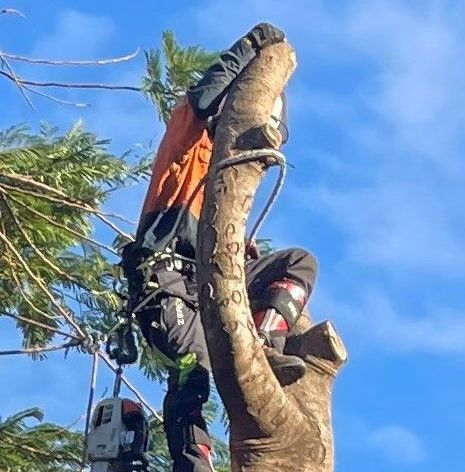
A tree lopping service may help with cutting, trimming and removing branches, while an arborist brings a deeper level of training and assessment around tree health, structure, risk and long-term management.
Why the Difference Matters
Trees are valuable parts of a property. They provide shade, improve street appeal, support local habitat and can make outdoor spaces more comfortable. But when trees become overgrown, damaged, unsafe or too close to buildings, they need the right care.
The wrong type of cutting can weaken a tree, create decay points, leave heavy regrowth, increase storm risk or turn a manageable tree into a future hazard. That is why it matters whether the person assessing the tree is only looking at what to cut, or whether they are also considering tree health, structure, safety and the site around it.
GDE Tree Services approach: tree work should be practical, safe and based on the condition of the tree. The aim is not just to cut branches, but to choose the right method for the tree, property and risk involved.
Tree Lopper
Usually focused on cutting, trimming, reducing or removing branches and trees where practical tree work is needed.
Arborist
Assesses tree health, structure, risk, defects, pruning requirements and whether a tree should be retained or removed.
Right Choice
The best option depends on the tree, the reason for the work, safety risks, property constraints and any council requirements.
What Does a Tree Lopper Do?
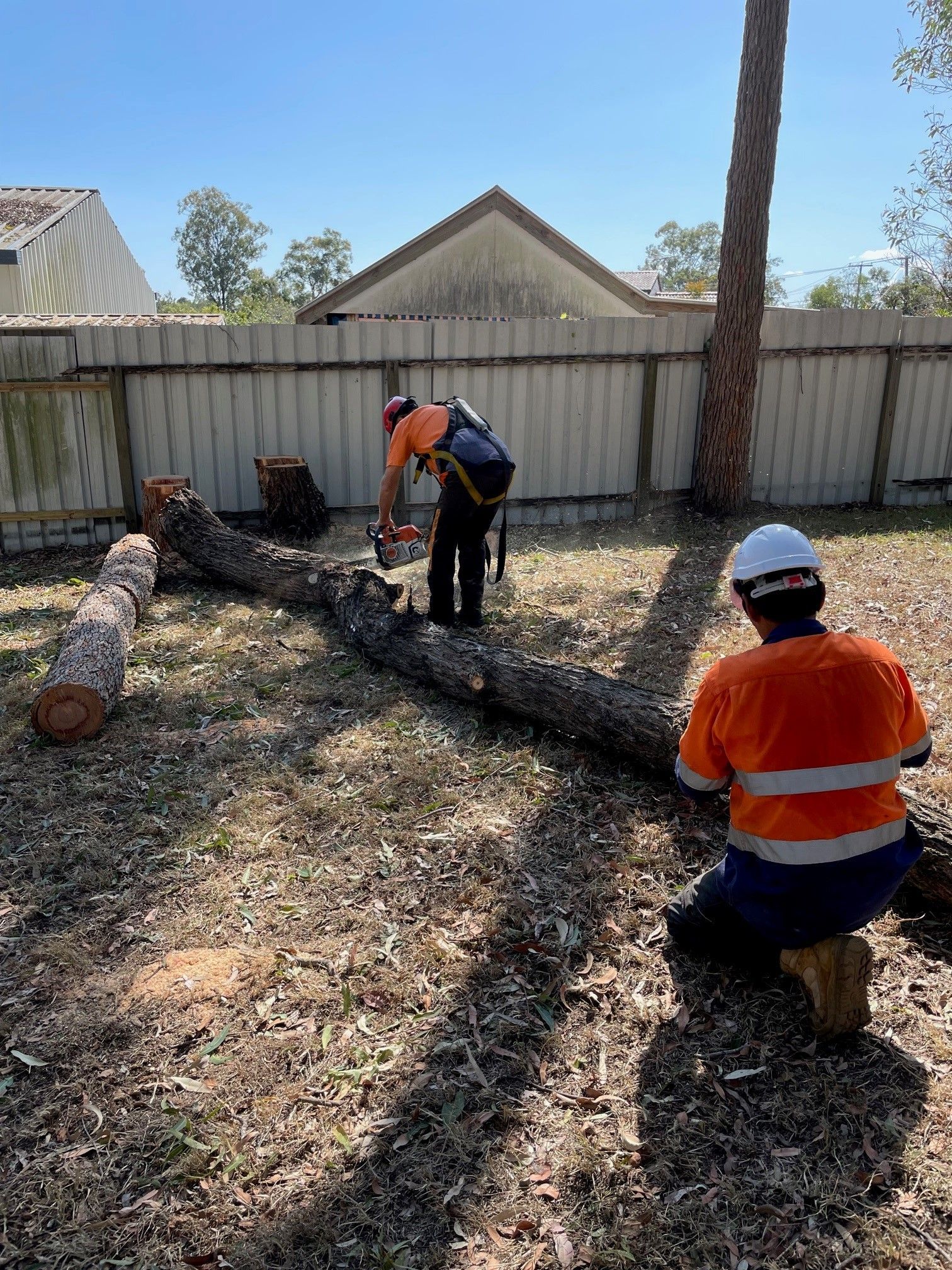
A tree lopper is commonly understood as someone who cuts, trims, reduces or removes branches and trees. Property owners often search for a tree lopper when they need overgrown branches cleared, a tree reduced away from a structure, or a tree removed from a yard.
Tree lopping work can include:
- cutting back overgrown branches
- reducing canopy size
- clearing branches away from roofs, fences, sheds or driveways
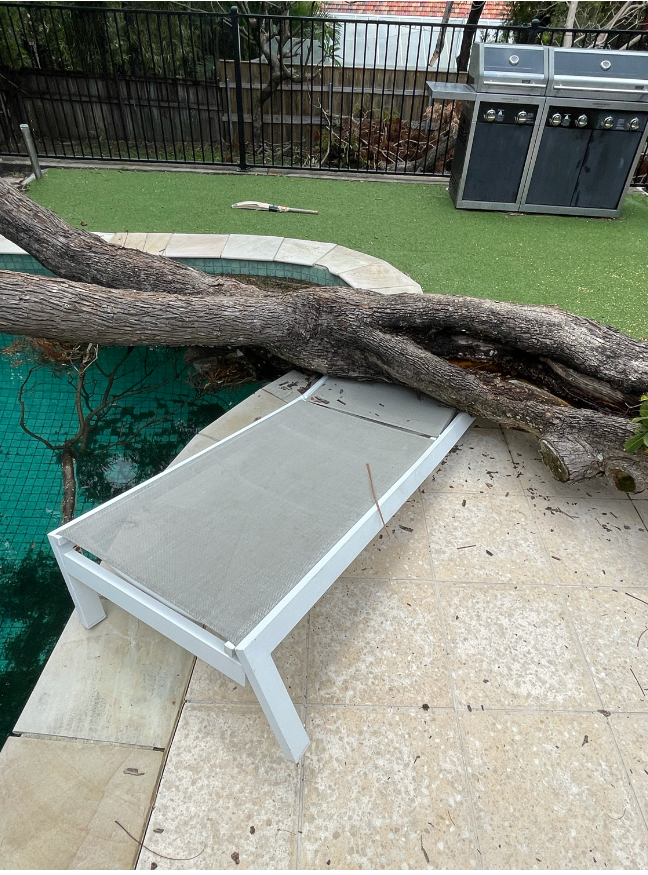
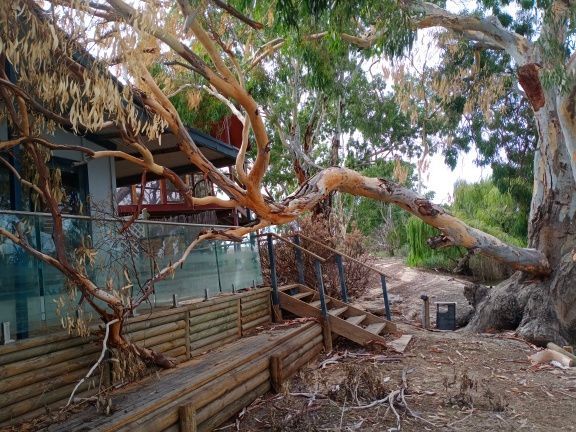
- removing storm-damaged limbs
- assisting with tree removal where required
- cleaning up branches and green waste after the work
The concern is that not all tree lopping is done well. Heavy or careless cutting can cause long-term problems for the tree, especially if too much canopy is removed or poor cuts are made.
What Does an Arborist Do?
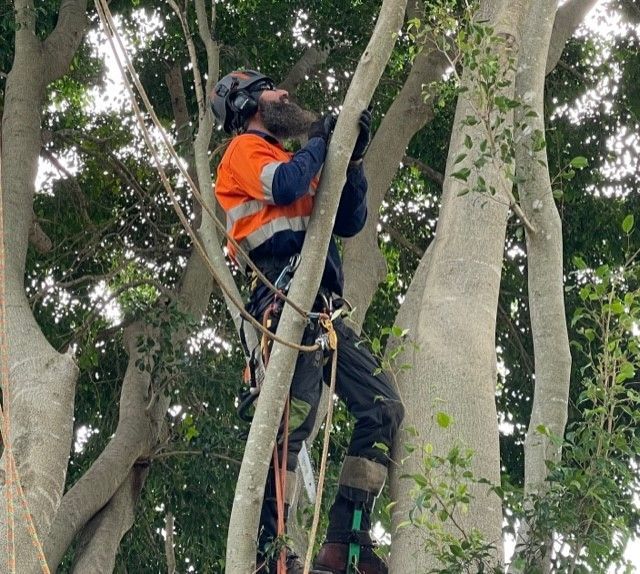
An arborist is trained to assess trees, not just cut them. Arborists consider tree species, structure, health, defects, decay, branch weight, root issues, site conditions and the level of risk to people or property.
An arborist may be involved when a tree is dangerous, protected, diseased, storm damaged, structurally poor or growing in a difficult location. Their advice can help determine whether the best option is pruning, reduction, bracing, monitoring, removal or further reporting.
This is especially important when a tree is close to homes, roads, fences, services, neighbouring properties or public areas.
Training, Experience and Tree Knowledge
The main difference between a basic tree lopper and an arborist is the depth of training, experience and tree knowledge behind the advice.
Tree loppers may be skilled at the physical work of cutting and removing trees, but an arborist is trained to look more closely at tree biology, health, risk and long-term outcomes. This matters because two trees can look similar from the outside but have very different levels of risk once defects, decay, structure or root issues are considered.
For larger trees, dangerous trees, storm-damaged trees or trees that may be protected, qualified arborist input can help property owners make better decisions before work begins.
When a Tree Lopper May Be Enough
A tree lopper may be suitable for straightforward tree work where the tree is accessible, the risk is low, and the work is mostly practical cutting, trimming or removal.
For example, you may need a tree lopper for routine trimming, branch removal, clearing overgrowth, removing small trees or tidying up vegetation around a property.
GDE Tree Services provides practical tree work across Brisbane, Logan and Ipswich. For local service outside Brisbane, we also provide tree lopping services in Logan and experienced tree loppers in Ipswich.
When You Should Ask for Arborist Advice
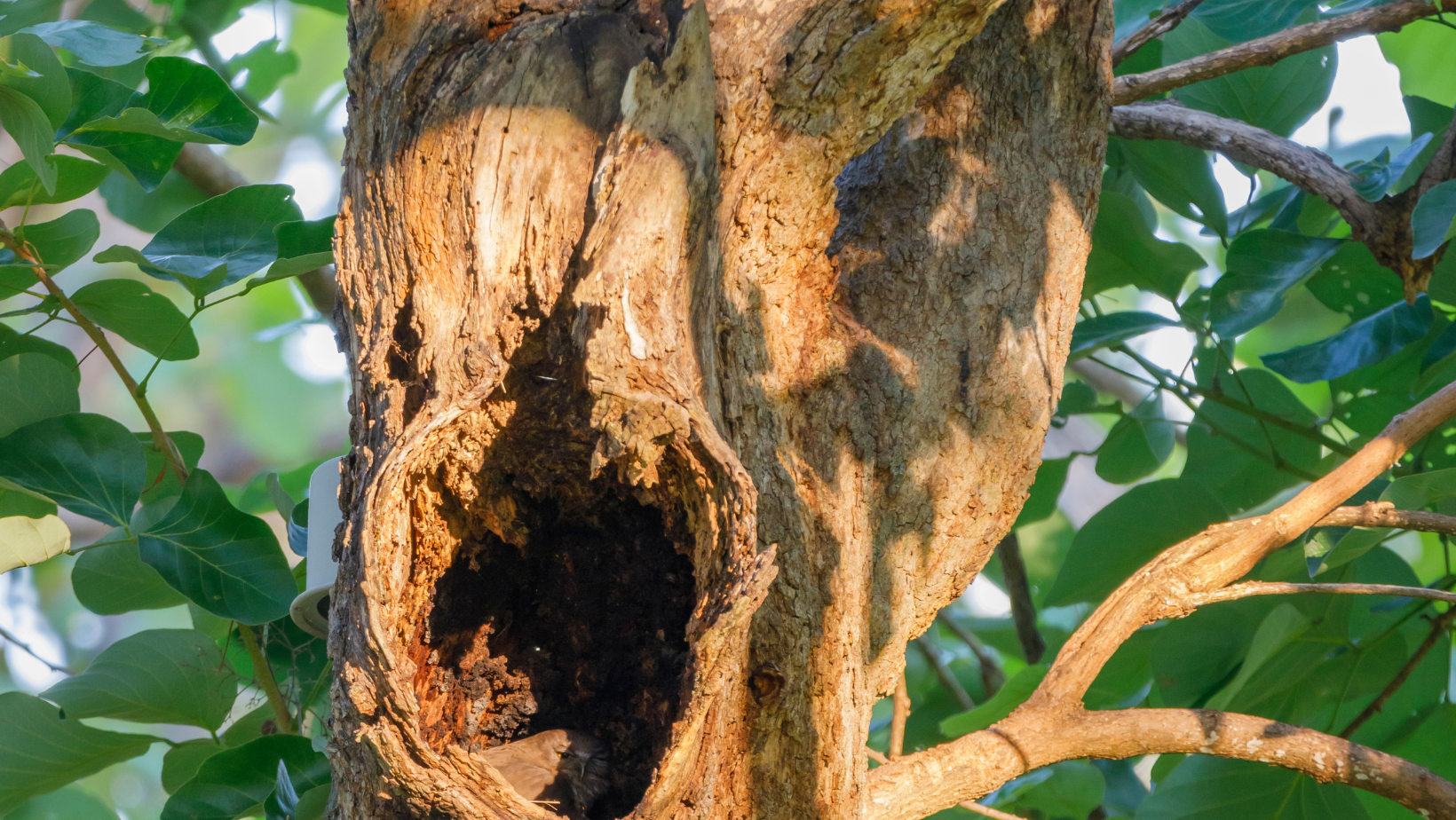
Arborist advice is worth considering when the tree has safety, health, structural or legal concerns. This includes trees that are large, leaning, cracked, hollow, storm damaged, declining or close to important structures.
You should consider arborist input if:
- the tree may be dangerous or unstable
- there are large dead branches or cracks
- the tree is close to a house, road, fence, shed or service line
- you are unsure whether the tree should be removed or retained
- the tree may be protected by council rules
- you need a more informed assessment before major tree work
Why the Cheapest Cut Is Not Always the Best Option
Tree work that looks cheap upfront can become expensive if it damages the tree, creates unsafe regrowth, leaves large wounds, causes property damage or fails to address the actual risk.
Good tree care looks at the whole situation: the tree, the property, access, surrounding structures, future growth, storm exposure and whether removal or pruning is the safer option.
For some trees, careful pruning is enough. For others, professional tree removal may be the safest long-term choice. Where there is a suitable clear landing area, controlled tree felling may be the appropriate removal method.
Choosing the Right Tree Service
When choosing between a tree lopper and an arborist, start by asking what problem you are trying to solve. Is the tree simply overgrown, or is it showing signs of structural failure? Do you need clearance, pruning, hazard reduction or full removal?
A reliable tree service should be able to explain the recommended work, why it is needed, what risks are involved and whether any further checks may be required before cutting.
GDE Tree Services provides professional tree care across Brisbane, including tree lopping, pruning, tree removal, stump grinding and emergency tree work.
Need Tree Advice or Tree Removal in Brisbane?
Contact GDE Tree Services for practical advice, safe tree work and a free quote for your property.
Call GDE Tree Services on 07 3221 5035Choosing the Right Tree Care Professional for Your Trees and Property
When it comes to tree care, it's essential to know who to call for the job. Many people use the terms "tree lopper" and "arborist" interchangeably, but they are not the same. The main key difference between a tree lopper and an arborist is experience, extensive training, and certification. In this blog, we'll explore the key differences between these two tree care professionals and why choosing the right one matters for your tree's health and your property's safety.
Trees are a valuable part of our environment and landscape. They provide shade, improve air quality, and enhance the overall aesthetics of a property. However, to maintain healthy and beautiful trees, it's crucial to understand the roles of tree loppers and arborists.
Tree Lopper: The Basics
A tree lopper, often known as a "tree cutter" or "tree trimmer," specialises in cutting or trimming trees and branches. Here are some key characteristics of tree loppers:
Pruning and Trimming: Tree loppers primarily focus on pruning and trimming trees to control their size, shape, or remove overgrown branches.
Limited Expertise: While tree loppers are skilled in basic tree maintenance, their expertise may be limited to the physical act of cutting. They might not have in-depth knowledge about tree biology, health, or long-term care.
Quick Fixes: Tree loppers are often called for quick fixes or emergency situations when branches need immediate removal. They may not consider the long-term health of the tree in their approach.
Risk of Damage: Due to their focus on cutting, tree loppers may inadvertently damage trees or leave them susceptible to disease and decay if proper care is not taken.
Arborist: The Tree Care Specialist
An arborist, on the other hand, is a certified tree care specialist with a broader range of skills and expertise. Here's what sets arborists apart:
Certification and Training: Arborists undergo extensive training and certification, often from Australian organisations like the Arboriculture Australia or the Institute of Australian Consulting Arboriculturists (IACA). This training covers tree biology, health, and safety procedures.
Comprehensive Tree Care: Arborists provide a wide range of tree care services, including tree health assessments, disease diagnosis, and long-term care plans. They focus on the overall well-being of the tree.
Safety First: Arborists prioritise safety for both your property and themselves. They use specialised equipment and techniques to ensure that tree care is conducted safely.
Preservation and Conservation: Unlike tree loppers, arborists aim to preserve trees whenever possible. They consider the tree's long-term health and use pruning techniques that promote growth and vitality.
Environmental Stewardship: Arborists are often well-versed in local environmental regulations and can help navigate permitting and compliance issues when needed.
Conclusion: Making the Right Choice
When it comes to caring for your trees, the choice between a tree lopper and an arborist matters. While tree loppers can handle basic pruning and trimming tasks, arborists offer a more comprehensive and sustainable approach to tree care. For the health and longevity of your trees, as well as the safety of your property, it's wise to consult a certified arborist who can provide expert guidance and care. Remember, trees are long-term investments, and the right care can ensure they thrive for generations to come.
🌿🌲 #TreeCare #ProfessionalTreeLopper #GDETreeServices #brisbaneTreeLopper #TreeServicesBrisbane #treecuttingservice #treeremovalbrisbane