What Is a Canopy Lift? Crown Lifting for Brisbane Trees
When lower branches begin to overhang driveways, roofs, pathways or outdoor areas, they can interfere with access, visibility and everyday use of the property. Professional tree trimming and pruning in Brisbane can include a technique known as canopy lifting to create practical clearance beneath the tree without unnecessarily removing the upper crown.
GDE Tree Services has provided professional tree work across Brisbane and South East Queensland since 1987, with experienced tree crews, qualified arborist input and specialised equipment for residential, commercial and more complex tree work.
What Is a Canopy Lift?
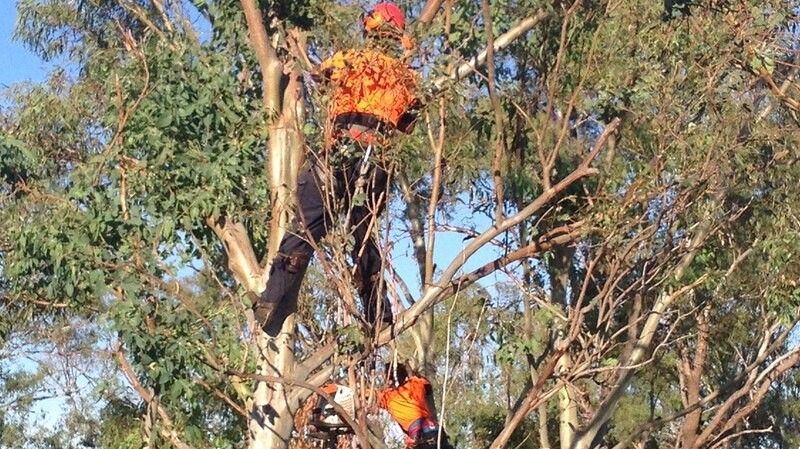
A canopy lift, also called crown lifting or crown raising, is the selective removal or shortening of lower branches to increase the clear space between the ground and the lower edge of the tree canopy.
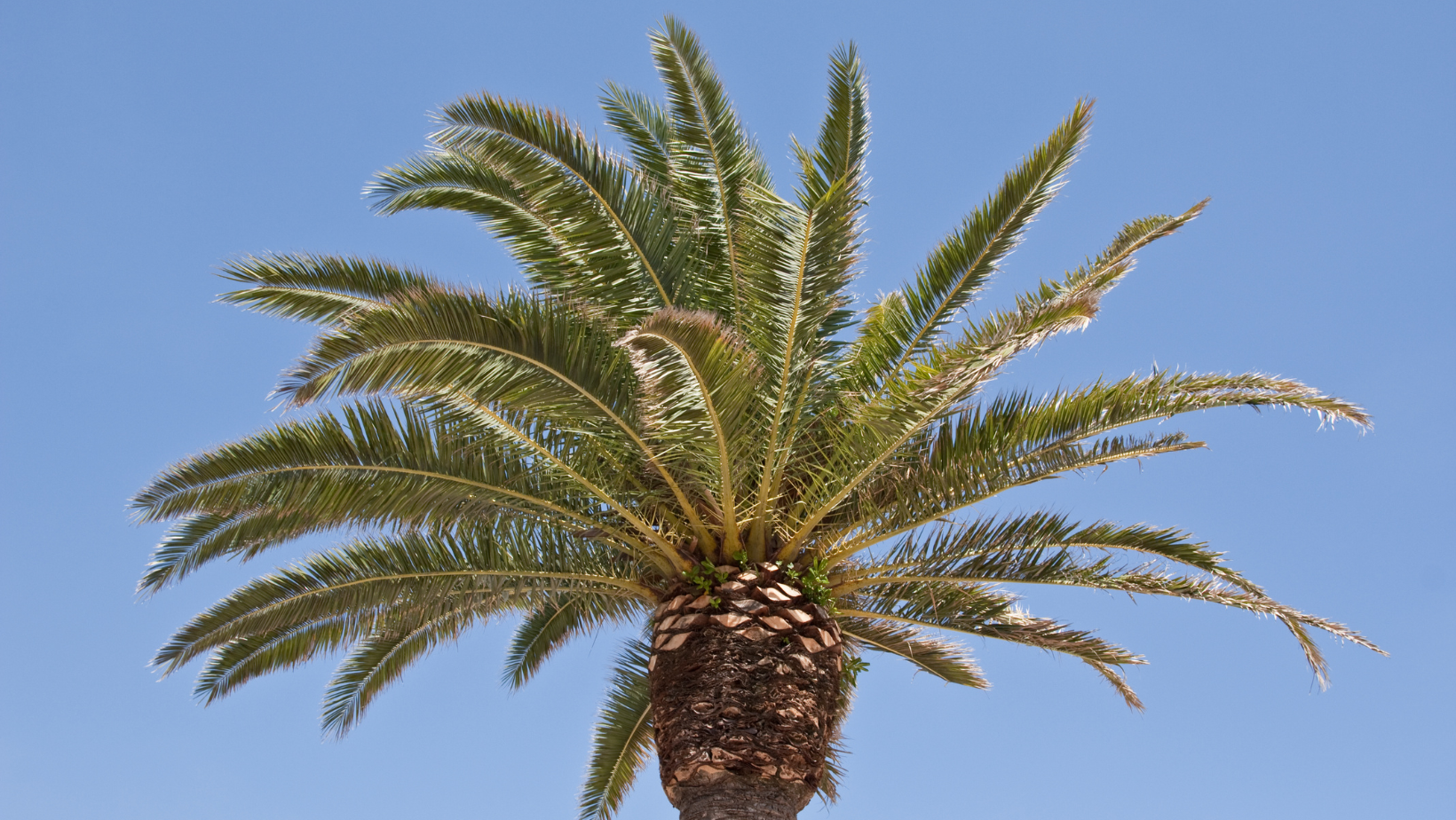
The aim is not to strip the lower half of the tree or make the crown as high as possible. Good crown lifting creates the clearance needed for the site while retaining a balanced canopy and enough live foliage for the tree to continue functioning normally.
Canopy lifting should be carefully planned. The aim is to create the clearance needed around driveways, paths, buildings or outdoor areas while maintaining a balanced canopy and avoiding unnecessary stress on the tree.
Why Would a Tree Need Crown Lifting?
Lower branches can gradually become a problem as a tree matures. A canopy lift may be recommended where branches are growing into areas that need reliable access or clearance.
Driveway & Vehicle Clearance
Low limbs can obstruct cars, trucks, trailers and service vehicles. Selective crown lifting can create usable clearance without reducing the entire canopy.
Paths & Pedestrian Areas
Branches over footpaths, entries and outdoor areas can become a nuisance or a head-height hazard. Raising selected lower branches can improve safe movement beneath the tree.
Roof & Structure Clearance
Branches growing onto gutters, rooflines, sheds or fences may need selective pruning to maintain separation from the structure while preserving the overall tree.
Visibility
Lower branches can restrict sightlines around entrances, driveways, carparks and some commercial sites. Crown lifting can improve visibility where appropriate.
Garden & Outdoor Use
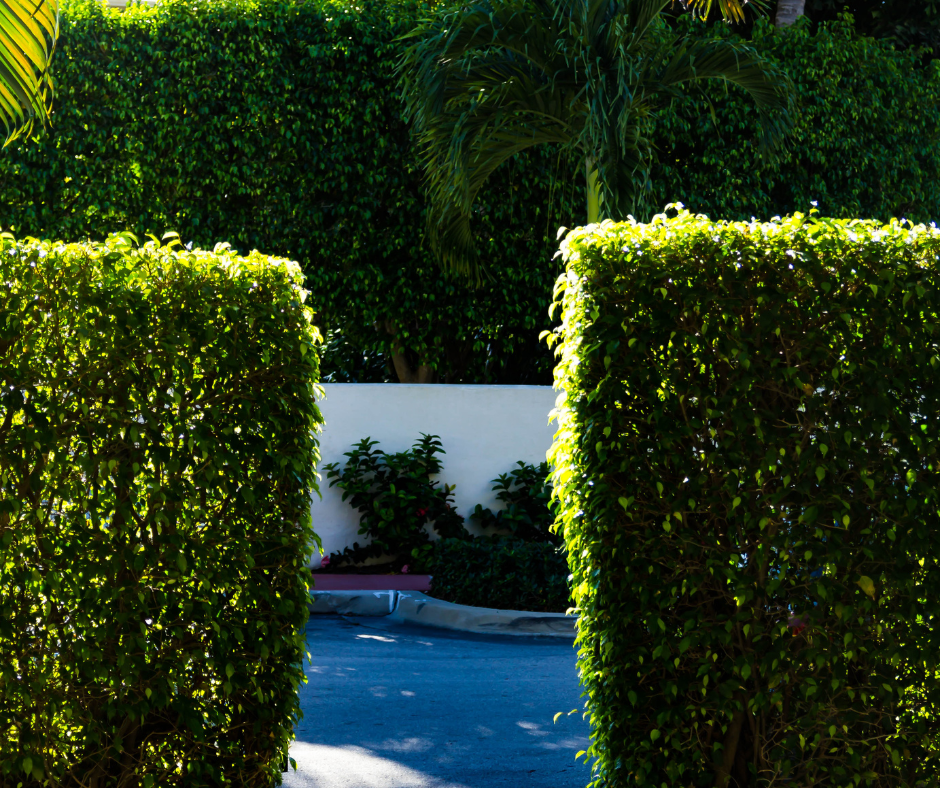
Raising the lower canopy can make established trees easier to live with by opening usable space underneath for lawns, seating and landscaped areas.
Branch Management
Dead, damaged, rubbing or poorly positioned lower branches may be addressed at the same time where their removal is appropriate for the tree.
Canopy Lifting vs Tree Lopping
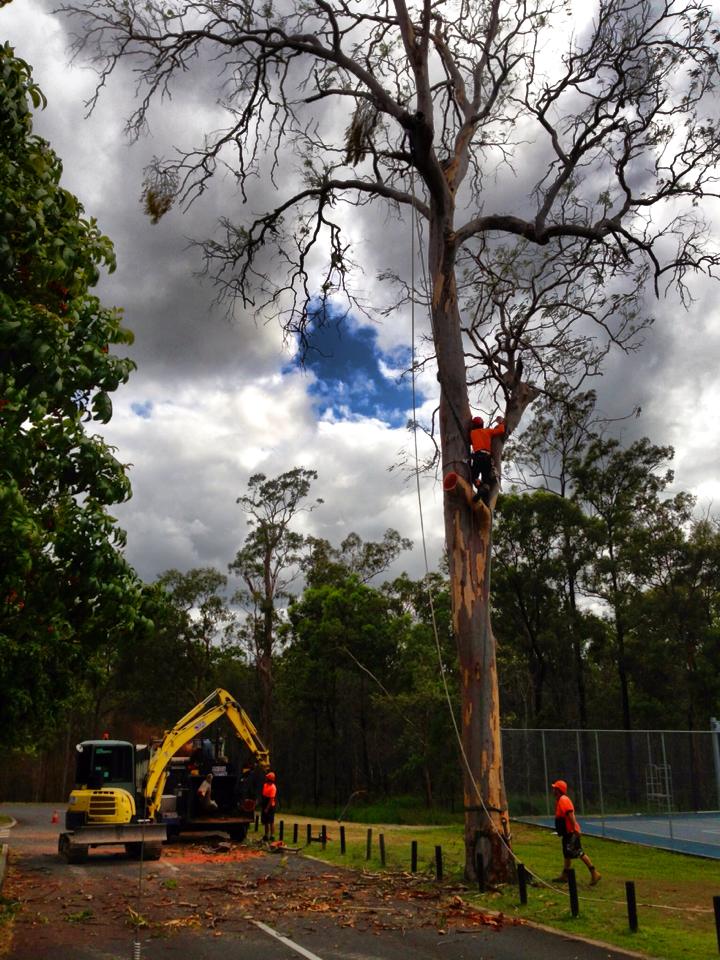
Canopy lifting is a specific pruning technique focused on the lower part of the crown. Tree lopping is a broader term that may refer to cutting back larger branches or reducing sections of canopy for clearance, size or safety reasons.
If a healthy tree only needs more space beneath its lower branches, a crown lift may be far more appropriate than broad canopy reduction. Where the problem involves heavy or overextended branches higher in the crown, a different pruning or reduction method may be recommended.
The right method should be based on the actual tree rather than applying the same cutting approach to every property.
Can Crown Lifting Improve Tree Health?
Crown lifting is primarily a clearance and canopy-management technique, not a general treatment for improving tree health. Removing dead, damaged or rubbing lower branches can be beneficial where those branches genuinely need attention, but unnecessary live-branch removal does not automatically make a tree healthier.
In some cases, carefully selected pruning can improve access through the canopy and resolve branch conflicts around structures. The goal should always be to remove only what is needed and retain a functional, balanced crown.
More Pruning Is Not Better
Removing too many lower branches can leave a tree with an unnaturally high crown, reduce live foliage and change the way the trunk and canopy respond to wind. This is sometimes referred to as over-lifting or lion-tailing when interior and lower growth is removed too aggressively.
Canopy Lifting and Storm Preparation
South East Queensland storms can expose weaknesses in trees, particularly where there is deadwood, previous storm damage, cracks, poor branch attachments or overextended limbs.
A canopy lift may form part of broader tree maintenance where low branches are damaged or creating a particular hazard. It should not, however, be treated as a way to “storm-proof” every tree.
Storm preparation may involve a combination of:
- removing dead or hanging branches;
- selectively reducing overextended limbs;
- addressing previously damaged branches;
- maintaining practical clearance from buildings and access areas; and
- assessing cracks, movement, root-zone changes or other structural concerns.
If a tree has already failed, split or become unstable after severe weather, GDE also provides emergency tree removal in Brisbane for urgent storm-damage situations.
Canopy Lifting Near Powerlines
Branches near overhead electrical lines should never be treated as an ordinary DIY pruning job. Electricity can travel through vegetation, and the safe approach depends on the location of the tree and the type of electrical line involved.
Do Not Prune Near Powerlines Yourself
Keep well clear of branches contacting or close to electrical lines. Tree work around power infrastructure requires the appropriate safety procedures and qualified personnel.
When Should a Canopy Lift Be Avoided or Limited?
Not every low branch should be removed. Lower limbs can play an important role in young-tree development, trunk taper and overall crown balance.
A professional may recommend limiting or staging a canopy lift where:
- the tree is young and still developing its permanent structure;
- too many lower branches would need to be removed at once;
- the crown is already high or sparse;
- the tree has recently undergone significant pruning;
- large cuts would be required close to the trunk;
- the tree is stressed, declining or structurally compromised; or
- a different pruning method would solve the clearance problem with less canopy loss.
When Is the Best Time for a Canopy Lift in Brisbane?
There is no single pruning season that is ideal for every Brisbane tree. The appropriate timing depends on the species, the age and condition of the tree, the amount of pruning required and the reason for the work.
Routine clearance pruning can often be planned for a suitable time based on the individual tree. Dead, broken or hazardous branches should be assessed promptly rather than waiting for a particular season.
Signs Your Tree May Need a Canopy Lift
- Lower branches hang across a driveway or vehicle access.
- Branches obstruct paths, entrances or pedestrian areas.
- Lower limbs are contacting a roof, gutter, fence or shed.
- Branches restrict visibility around a driveway or commercial entrance.
- Dead or damaged lower branches are present.
- The tree has adequate upper canopy but needs more usable space underneath.
- You are repeatedly cutting back the same low branches without a clear pruning plan.
These signs do not automatically mean every lower branch should be removed. An on-site assessment allows the canopy to be viewed as a whole before the pruning points are chosen.
How Professional Canopy Lifting Is Carried Out
Inspect the Tree and Site
The estimator looks at the tree species, condition, existing structure, access, buildings, driveways, fences, services and the clearance the property actually needs.
Set a Practical Clearance Goal
The required clearance is identified before branches are removed. This helps avoid unnecessary pruning simply to make the canopy look higher.
Select the Appropriate Branches
Lower branches are selected according to their size, attachment, position and contribution to the remaining canopy.
Make Controlled Pruning Cuts
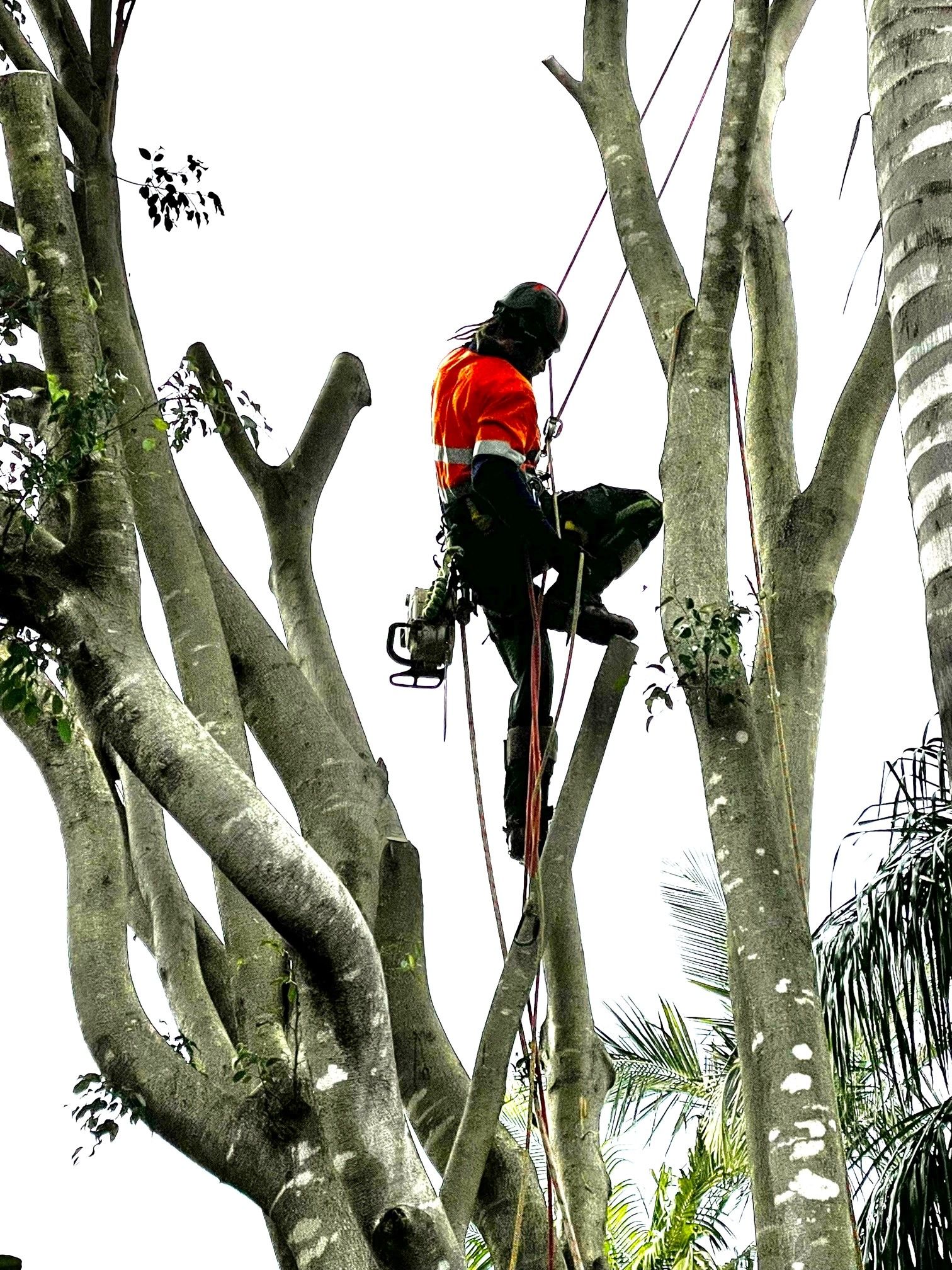
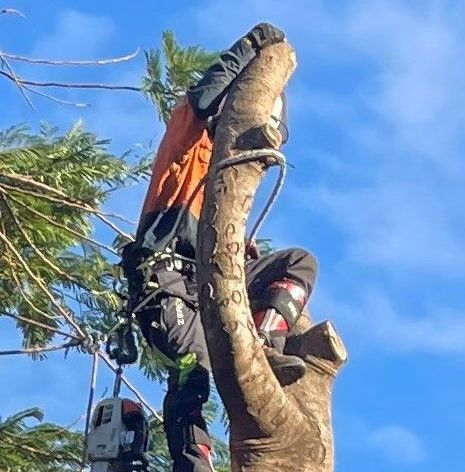
Branches are removed or shortened using an appropriate cutting method, with larger limbs managed using climbing, rigging or elevated access where required.
Clean Up the Site
Agreed branches and green waste are processed and removed, or suitable mulch can be left on-site where requested.
Canopy Lifting Across Brisbane, Logan and Ipswich
GDE Tree Services works across Brisbane and surrounding areas on residential, commercial and managed properties. For customers outside Brisbane, the team also provides tree lopping services in Logan and experienced tree loppers in Ipswich.
Whether the job involves one mature backyard tree or ongoing tree maintenance across a larger site, the first step is to assess what clearance is required and whether crown lifting is the most appropriate way to achieve it.
Professional Tree Care From GDE Tree Services
Established in 1987, GDE Tree Services provides tree pruning, canopy management, tree removal, stump grinding, emergency tree work and commercial services across Brisbane and South East Queensland.
Frequently Asked Questions About Canopy Lifting
What is a canopy lift?
A canopy lift, also called crown lifting or crown raising, is selective pruning of the lower branches of a tree to increase clearance beneath the canopy while retaining an appropriate, balanced crown.
When is canopy lifting useful?
Canopy lifting can be useful where lower branches obstruct driveways, paths, roofs, entrances, sightlines or outdoor areas. The amount removed should suit the species, age, condition and structure of the tree.
Is canopy lifting the same as tree lopping?
No. Canopy lifting is a specific pruning technique focused on lower branches. Tree lopping is a broader term that can refer to reducing larger branches or sections of canopy for clearance, size or safety reasons.
Can canopy lifting make a tree safer in storms?
It can address specific low, damaged or poorly positioned branches, but it does not make a tree storm-proof. Excessive crown lifting can also negatively affect tree structure, so storm preparation should be based on an inspection of the whole tree.
Can branches near powerlines be canopy lifted?
Tree work near powerlines requires specialist safety controls. Property owners should not cut vegetation near electrical lines themselves. The correct approach depends on whether the vegetation is near network lines or the service line to the property.
What happens if too many lower branches are removed?
Over-lifting can leave a tree with an unnaturally high crown, remove too much live foliage and change the way the trunk and canopy respond to wind. A professional should retain enough lower canopy for the tree's age, species and structure.
When is the best time to crown lift a tree in Brisbane?
There is no single best season for every species. Timing depends on the tree, the pruning objective, its condition and whether the work is routine or required for safety. Hazardous branches should be assessed promptly.
Does GDE Tree Services provide canopy lifting?
Yes. GDE Tree Services provides canopy lifting, tree trimming and pruning across Brisbane and surrounding areas, with free on-site written quotes for the work required.
Need a Canopy Lift or Tree Pruning in Brisbane?
GDE Tree Services can inspect the tree, assess the clearance required and provide a free on-site written quote for appropriate canopy lifting, pruning or other tree work.
Request a Free Written Quote